Earn with
Compassion.
Join Atlanta's most reliable non-emergency medical transportation network. Help your community get to essential appointments while earning on your own terms.
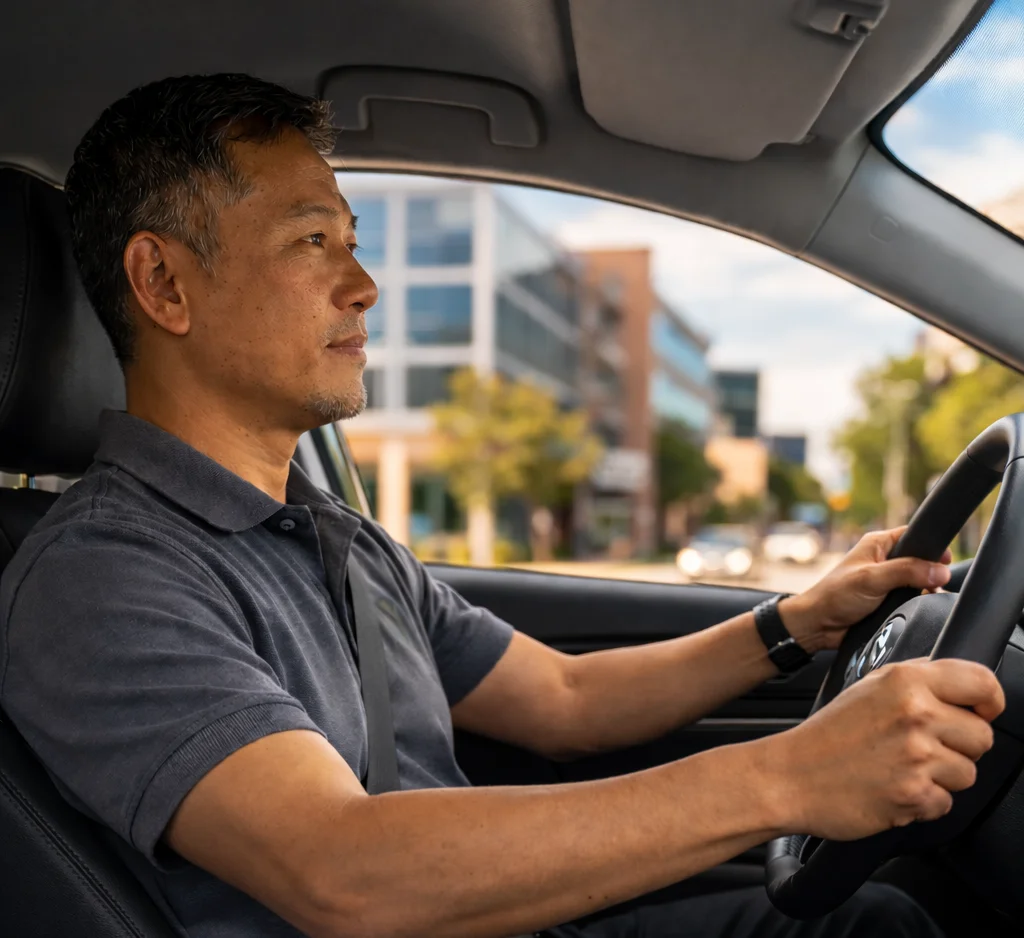
We provide the stability of healthcare-focused trips with the flexibility of modern transportation platforms.
Choose the hours that work for you. Whether it's morning dialysis routes or afternoon discharges.
Stable demand from healthcare facilities ensures you have consistent trip requests every week.
Make a difference. Your service ensures patients never miss life-sustaining medical care.
Everything you need to know about driving with the MovLynk network.
To become a Non-Emergency Medical Transportation (NEMT) driver with MovLynk, applicants must meet the following requirements:
Valid Driver’s License: Must have a current and valid U.S. driver’s license
Driving History & Background Check: Must have at least 3 years of driving experience, maintain a clean motor vehicle record (MVR), and pass a comprehensive background check
Drug Screening: Must pass a drug screening; random screenings may also be required
Vehicle Requirements: Must provide a 2010 or newer vehicle that is reliable, well-maintained, clean, and compliant with applicable local NEMT standards, which may vary by region
Insurance & Registration: Must maintain valid personal auto insurance and current vehicle registration; depending on the market, additional commercial or broker-required insurance coverage may also be required
CPR & First Aid Certification: Some states, contracts, and brokers may require drivers to complete CPR and First Aid certification
Defensive Driving & Passenger Assistance Training: Additional training may be required based on state regulations, broker requirements, or company standards to support safe driving and proper passenger care
Smartphone & App Proficiency: Must be comfortable using MovLynk-approved mobile apps or technology platforms for trip management, navigation, communication, and real-time updates
Professionalism & Reliability: NEMT drivers are responsible for transporting individuals to important medical appointments, so punctuality, professionalism, strong customer service, and reliability are essential
Compliance with State and Broker Requirements: Eligibility may vary based on state regulations, broker standards, contract requirements, and MovLynk operating policies
Interested in driving with MovLynk?
Our onboarding process includes verification of qualifications, required documentation, compliance review, and any training or certifications needed for your market.
MovLynk drivers may be required to complete certain training programs to help ensure safe, dependable, and professional transportation for passengers with medical needs. Training requirements can vary based on state regulations, broker standards, contract requirements, and the type of services being provided, but commonly include:
CPR and First Aid Certification – Many states, brokers, and contracts require drivers to complete CPR and First Aid training so they are prepared to respond appropriately in emergency situations.
Defensive Driving Training – Covers safe driving habits, hazard awareness, accident prevention, and other best practices designed to support passenger safety during transport.
Passenger Assistance and Sensitivity Training (PASS) – Focuses on properly assisting passengers with mobility limitations, understanding how to interact with riders professionally and respectfully, and, where applicable, using proper wheelchair securement procedures.
HIPAA Compliance Training – Helps drivers understand the importance of protecting passenger privacy and handling sensitive health-related information appropriately and confidentially.
Fraud, Waste, and Abuse (FWA) Training – Required by some brokers and contracts to educate drivers on ethical standards, compliance expectations, and the prevention of fraud or misuse within the NEMT industry.
Hands-On Vehicle and Equipment Training – Where applicable, drivers who transport passengers with wheelchairs or other mobility devices may be required to complete hands-on training for safe loading, unloading, and securement procedures.
These training requirements help support regulatory compliance, passenger safety, service quality, and operational readiness. During the onboarding process, MovLynk will provide guidance on any training, certifications, or documentation required for the driver’s market and service type.
Vehicle requirements for NEMT driving can vary depending on state regulations, broker requirements, contract standards, and the type of transportation services being provided. In general, qualifying vehicles should meet the following standards:
Model Year 2010 or Newer – Vehicles should be 2010 or newer to help meet safety, reliability, and broker-related standards.
Well-Maintained and Reliable – Vehicles must be in good operating condition, with no major mechanical problems or significant cosmetic damage that could affect safety or service quality.
Properly Registered and Insured – Vehicles must have current registration and meet all applicable insurance requirements, which may include personal, commercial, or broker-required coverage depending on the market.
Clean and Professional Appearance – Both the interior and exterior of the vehicle should be clean, presentable, and suitable for transporting passengers in a professional manner.
Four-Door Sedans, SUVs, or Minivans – Most standard NEMT trips are performed using four-door passenger vehicles that can safely accommodate ambulatory riders.
Wheelchair-Accessible Vehicles (WAVs), if Applicable – For wheelchair transportation services, vehicles must be properly equipped with securement systems, ramps, lifts, or other required accessibility features that comply with applicable standards and regulations.
No Prohibited Vehicle Types or Markings – Certain brokers or contracts may prohibit specific vehicle types or vehicles with exterior commercial branding, taxi-style markings, rideshare signage, or other non-approved identifiers.
Vehicle eligibility may vary based on the specific market, broker, contract, and service type. During the onboarding process, MovLynk will review vehicle information and advise applicants of any additional requirements that apply in their service area.
Possibly. Eligibility depends on the requirements of the state where you plan to operate, as well as any broker, contract, or regulatory requirements that apply in that market.
In many cases, drivers are expected to hold a valid driver’s license issued by the state where they intend to provide NEMT services. However, some states or contracting entities may allow an out-of-state license if additional conditions are met.
Those conditions may include:
Providing proof of residency in the state where you plan to drive
Updating your driver’s license within a required timeframe after approval or onboarding
Meeting any state-specific insurance, registration, or compliance requirements
If you currently have an out-of-state driver’s license and are interested in driving with MovLynk, eligibility will depend on the rules in your service area and any applicable broker or contract requirements. MovLynk may request additional documentation to verify that you are qualified to operate in the market where you are applying.
Yes. NEMT drivers are often subject to more extensive screening requirements than standard rideshare drivers. These additional checks are designed to support passenger safety and to meet applicable state, broker, contract, and healthcare transportation compliance standards.
Screening requirements may include:
Criminal Background Check – A thorough review of local, state, and federal records to identify any disqualifying criminal history. In some markets or under certain broker requirements, fingerprint-based background checks may also be required.
Motor Vehicle Record (MVR) Check – A review of the applicant’s driving history to confirm safe driving habits and identify major violations such as DUI offenses, reckless driving, serious at-fault incidents, or repeated speeding violations.
Drug and Alcohol Screening – Some states, brokers, and contracts require pre-service drug testing, as well as random or periodic drug and alcohol screenings, to help ensure driver fitness and passenger safety.
Sex Offender Registry Check – A screening to confirm that the applicant is not listed on any applicable sex offender registry.
Exclusion List Screening – In some cases, drivers may be screened against government exclusion databases, such as OIG or SAM-related lists, to help ensure compliance with Medicaid, healthcare, or transportation-related requirements.
Background screening and drug testing requirements can vary depending on the state, broker, contract, and market in which the driver will operate. During the onboarding process, MovLynk will advise applicants of any screenings, documentation, or compliance checks required for eligibility in their service area.
MovLynk drivers are generally expected to provide their own vehicle, unless otherwise approved or arranged in writing. As independent contractors, drivers are responsible for using a vehicle that meets applicable company, broker, contract, and market requirements. MovLynk does not generally supply vehicles for driver use.
Drivers are responsible for ensuring that their vehicle:
Meets the applicable model year requirement
Is reliable, well-maintained, and clean
Has current registration and required insurance coverage, which may include additional broker-required or commercial coverage in some markets
Meets any additional accessibility or equipment requirements if wheelchair or other specialized transportation services are being provided
Vehicle requirements may vary based on the driver’s market, broker, contract, and service type. During the onboarding process, MovLynk will review vehicle eligibility and advise drivers of any additional requirements that apply in their area.
MovLynk drivers operate as independent contractors and are generally compensated based on completed trips or assigned services. Compensation can vary depending on factors such as trip distance, trip type, service level, market conditions, broker rates, contract terms, and other applicable operating requirements.
Compensation may be structured in the following ways:
Per-Trip Compensation – Drivers are typically paid based on completed trips or completed transportation services, with rates influenced by trip details, mileage, service type, broker terms, or contract requirements. Longer or more specialized trips may result in higher compensation.
Recurring or Scheduled Trips – Some drivers may be assigned recurring trips or standing-order transportation services, which can provide more consistent scheduling and more predictable earning opportunities.
Bonuses & Incentives – In some cases, additional compensation opportunities may be available based on reliability, trip completion, priority assignments, service consistency, or other performance-related factors, where applicable.
Scheduled Payments – Driver compensation is generally issued on a regular payment schedule through an approved payment method, subject to MovLynk’s payment procedures and any applicable deductions, adjustments, or policy-based charges.
Because compensation may vary by market, broker, contract, and service type, MovLynk provides drivers with onboarding guidance regarding payment structure, service expectations, and any requirements that may affect earning opportunities in their area.
Driving for MovLynk as an NEMT driver involves more than simply transporting passengers from one location to another. Drivers are expected to provide safe, dependable, professional transportation for individuals traveling to important healthcare-related appointments and services. Because of that, NEMT driving often involves greater responsibility and stricter service expectations than traditional rideshare driving.
Key Responsibilities of a MovLynk NEMT Driver:
Punctuality and Reliability – Many passengers depend on NEMT transportation for essential medical appointments such as dialysis, rehabilitation, therapy, specialist visits, and other healthcare services. Timely arrival and dependable service are critical.
Passenger Assistance – Depending on the rider’s needs and the service being provided, drivers may be expected to assist passengers with entering or exiting the vehicle, handling approved mobility equipment, or providing other allowable forms of assistance consistent with training and service requirements.
Privacy and Confidentiality Awareness – NEMT drivers are expected to handle passenger information professionally and respectfully, including maintaining privacy and exercising discretion when exposed to health-related or personal information.
Trip Documentation and Compliance – Some trips may require drivers to follow specific broker, client, or contract procedures, including documenting pickups and drop-offs, confirming trip completion, following route or timing requirements, or complying with service protocols.
Managing Pre-Scheduled and Recurring Trips – Many NEMT services are arranged in advance and may include standing-order or recurring trips, requiring drivers to follow assigned schedules and maintain consistent service availability.
How NEMT Driving with MovLynk Differs from Traditional Rideshare Driving:
Healthcare-Focused Transportation – Unlike traditional rideshare, NEMT transportation is centered around helping passengers get to important medical, wellness, or healthcare-related appointments and services.
Higher Compliance Standards – NEMT drivers may be subject to more extensive screening, training, documentation, and service requirements than standard rideshare drivers, depending on the state, broker, contract, and service type.
Structured Trip Assignment – Rather than relying only on on-demand trip requests, many NEMT trips are scheduled in advance through brokers, facilities, or dispatch systems, requiring planning, coordination, and service consistency.
Greater Reliability Expectations – Missed trips, no-shows, late arrivals, or failure to follow procedures can directly affect passenger care and may result in service issues, reduced trip opportunities, or removal from eligibility.
NEMT driving with MovLynk is a more structured, compliance-focused, and service-driven role than traditional rideshare. At the same time, it may offer more predictable trip opportunities, recurring assignments, and the ability to provide meaningful support to individuals who rely on dependable transportation for important healthcare needs.
MovLynk drivers generally have flexible schedules as independent contractors, but trip availability is typically driven by broker demand, client needs, contract requirements, and the timing of scheduled medical appointments.
General Working Hours:
Most NEMT trips take place between 5am – 6pm Monday thru Friday, often aligning with medical appointments such as dialysis, physical therapy, follow-up visits, specialist appointments, and other healthcare-related services.
Early morning trips may be common in some markets, especially for passengers with recurring treatment schedules or time-sensitive appointments.
Evening and weekend trips may be available, but trip volume can vary depending on the market, broker, facility needs, and the type of transportation services being provided.
Recurring or standing-order trips can create more consistency in a driver’s schedule, especially when riders require transportation for ongoing treatments or regularly scheduled medical services.
Because NEMT is generally a scheduled transportation service rather than a purely on-demand model, drivers typically plan their availability around assigned trips, scheduled routes, recurring appointments, and dispatch opportunities rather than waiting for random ride requests.
Yes, MovLynk drivers must have proper insurance coverage. Similar to the Uber and Lyft model, drivers are required to maintain their own personal auto insurance, and MovLynk provides additional commercial coverage while drivers are on active trips, subject to applicable terms, market requirements, and company policy.
How insurance works for MovLynk drivers:
Personal Auto Insurance – Drivers must maintain their own personal auto insurance policy that meets the minimum requirements in their state.
MovLynk Commercial Coverage During Active Trips – Once a driver accepts a trip and is actively performing transportation services, MovLynk may provide additional coverage, similar to the way Uber and Lyft handle trip-based coverage.
Off-Trip Periods – When a driver is not actively on a trip, the driver’s personal auto insurance generally applies.
Additional Requirements – In some markets, brokers, contracts, or local regulations may require additional insurance or documentation.
Unlike some traditional transportation providers that may require drivers to obtain their own full commercial policy, MovLynk may provide trip-based coverage during active trips, while drivers remain responsible for maintaining their own personal insurance at all times.
For specific details about eligibility, coverage requirements, and any market-specific rules, MovLynk will provide guidance during onboarding.
Yes, MovLynk provides insurance coverage to drivers while they are on an active trip, similar to how Uber and Lyft handle insurance.
How insurance works for MovLynk drivers:
Personal Auto Insurance Required – Drivers must maintain their own personal auto insurance policy that meets state requirements.
MovLynk Insurance Coverage – Once a driver accepts a trip and is actively transporting a passenger, MovLynk provides additional commercial insurance coverage.
Off-Trip Periods – When a driver is not actively on a trip, the driver’s personal auto insurance applies.
MovLynk helps ensure that drivers are covered while providing transportation services, so drivers generally do not need to purchase separate commercial insurance unless required by a specific state, broker, contract, or local regulation.